
Reading fluency worksheets are tools designed to improve a student’s ability to read accurately, quickly, and with expression. Fluency is a crucial bridge between decoding skills (sounding out words) and reading comprehension (understanding the meaning of the text). A student who struggles with fluency will expend so much mental energy on simply recognizing words that they’ll have little cognitive capacity left to process the content.
These worksheets typically present short passages of text appropriate for the student’s reading level. The primary goal is repeated reading. Students are encouraged to read the same passage multiple times, often with specific instructions or objectives for each reading.
Here are some common types of activities and features found on fluency worksheets:
- Timed Readings: These are a staple. Students read the passage for a set amount of time (e.g., one minute), and the teacher or student tracks the number of words read correctly. Subsequent readings of the same passage are often timed, allowing students to see their progress in words correct per minute (WCPM). This provides tangible evidence of improvement.
- Phrase-Cued Readings: The passage is divided into meaningful phrases using slashes or other visual cues. This helps students break away from word-by-word reading and focus on chunking the text into natural speech patterns, promoting prosody (expression).
- Choral Reading: Students read the passage aloud together as a class or in a small group. This provides support for struggling readers and allows them to hear fluent models.
- Echo Reading: The teacher reads a sentence or phrase, and the student repeats it. This is a good way to model proper pronunciation and intonation.
- Partner Reading: Students pair up, and one student reads while the other listens and provides feedback. The roles are then reversed. This encourages active listening and peer support.
- Tracking Progress: Worksheets often include space for students to record their scores (WCPM, errors, etc.) across multiple readings. This visual representation of their progress can be highly motivating.
- Comprehension Questions: Some worksheets incorporate brief comprehension questions to ensure students aren’t just reading quickly but also understanding what they’re reading. These questions might be multiple-choice, short answer, or true/false.
- Variety of Texts: Effective programs utilize a diverse range of text types, including fiction, non-fiction, poetry, and scripts. This exposes students to different writing styles and vocabulary.
When selecting or creating fluency worksheets, it’s important to consider the following:
- Appropriate Reading Level: The text should be challenging enough to promote growth but not so difficult that it frustrates the student. Aim for a level where the student can decode at least 90-95% of the words.
- Interesting Content: Engaging content will keep students motivated and more likely to invest in the activity.
- Clear Instructions: Make sure the instructions are easy to understand and follow.
- Focus on Accuracy First: Speed is important, but accuracy should be prioritized. Encouraging students to read carefully and correctly will ultimately lead to faster reading.
Fluency worksheets are a valuable tool for improving reading skills, but they should be used as part of a comprehensive reading program that also includes instruction in phonics, vocabulary, and comprehension strategies.
 307×397 reading fluency worksheets exercise home teacher from whatistheurl.com
  816×1056 reading fluency worksheets exercise reading fluency reading abc phonics from br.pinterest.com
  736×952 reading fluency worksheets exercise reading fluency reading comprehension practice from www.pinterest.com
  773×1000 fluency worksheets fun teaching from www.havefunteaching.com
  768×644 reading fluency worksheets bundle kids home teacher from whatistheurl.com
  1080×1528 reading fluency worksheets exercise artofit from www.artofit.org
  736×952 reading fluency worksheets exercise reading fluency kindergarten reading worksheets from www.pinterest.com
  816×1056 reading fluency worksheets artofit from www.artofit.org
  359×464 reading fluency worksheets learning from www.k5learning.com
  816×1056 worksheet built pages content reading fluency nice opt images from in.pinterest.com
  816×1056 reading fluency worksheets reading fluency phonics reading passages phonics books from www.pinterest.com
  1024×1440 printable reading fluency worksheets from printablelibcoulter.z21.web.core.windows.net
  791×1024 reading fluency worksheets home teacher from whatistheurl.com
  816×1056 reading fluency worksheets exercise reading fluency reading anchor charts reading from co.pinterest.com
  1358×1920 reading fluency grade worksheets worksheetocom from www.worksheeto.com
 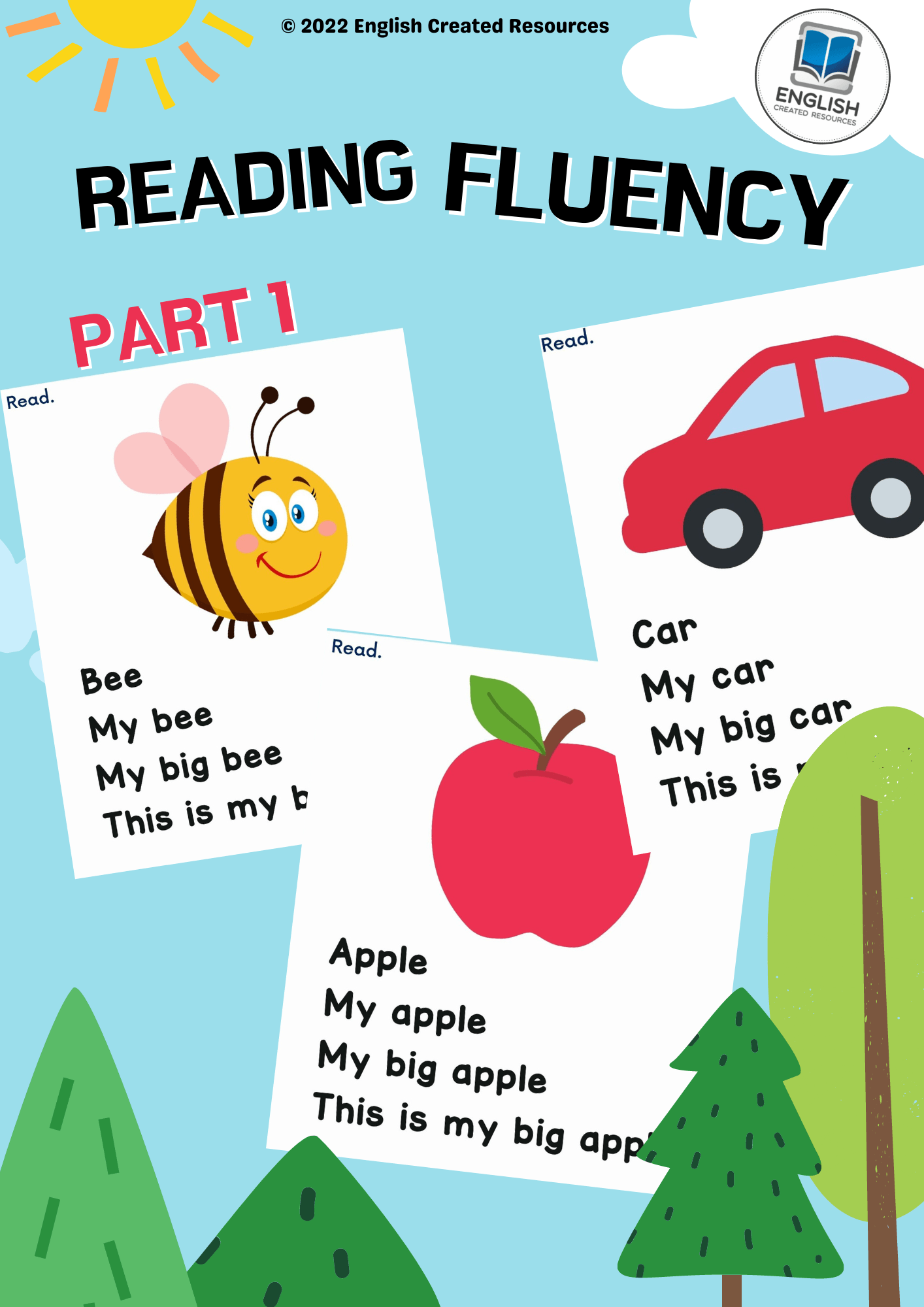 1414×2000 printable worksheets reading fluency reading worksheet printable from readingworksheetsprintable.com
  736×952 reading fluency worksheets exercise phonics reading passages reading fluency from www.pinterest.ca
  773×1000 reading fluency worksheet teach simple from teachsimple.com